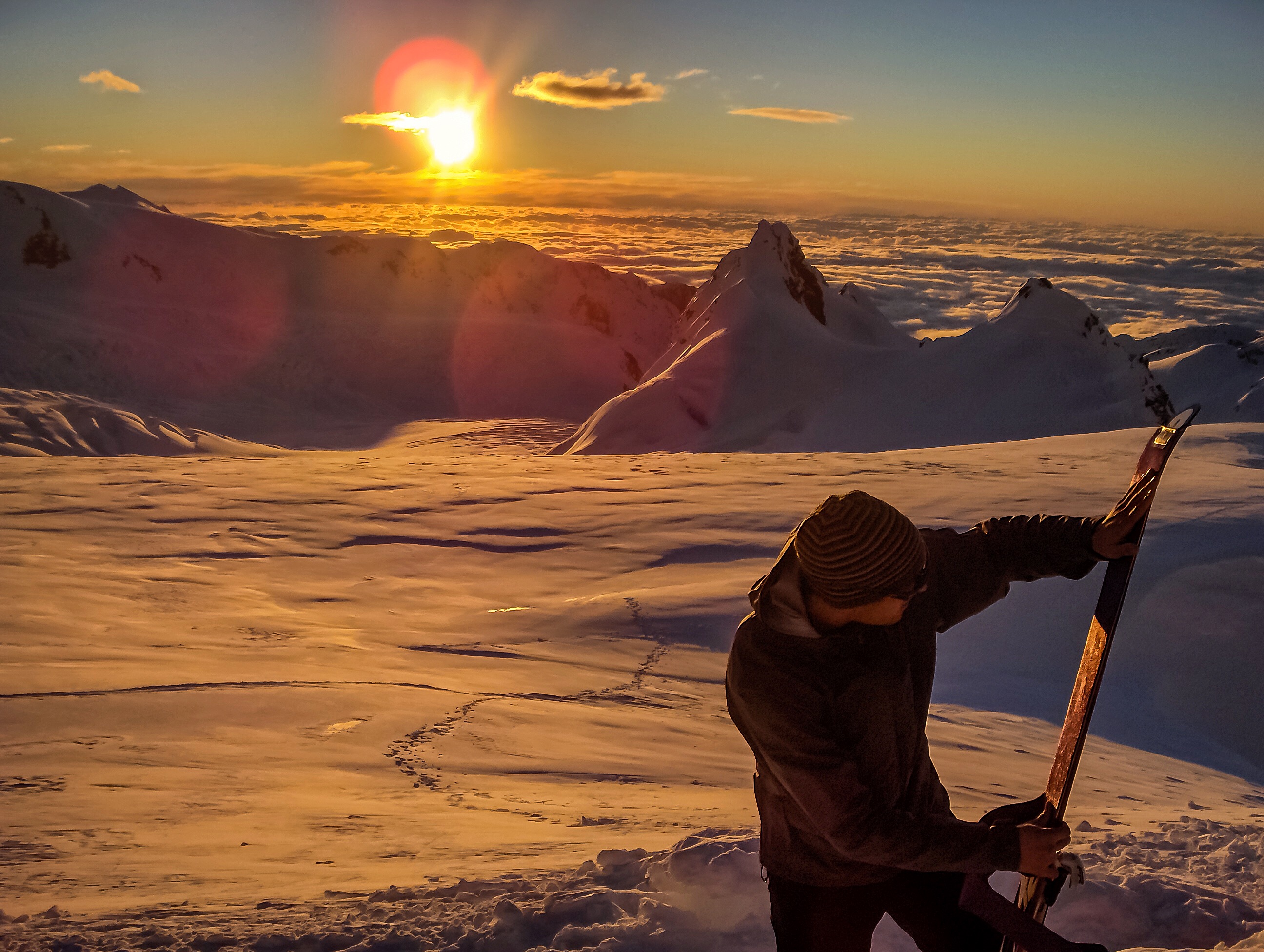
Skiing Mount Logan in Kluane National Park
Mount Logan doesn't make things easy. At 5,959 meters, it's Canada's highest peak and the second-highest in North America. It sits deep in Kluane National Park in the Yukon, surrounded by the largest non-polar ice fields on the planet. Getting here requires a ski plane, weeks of food, and a tolerance for conditions that can shift from perfect to survival mode in hours.
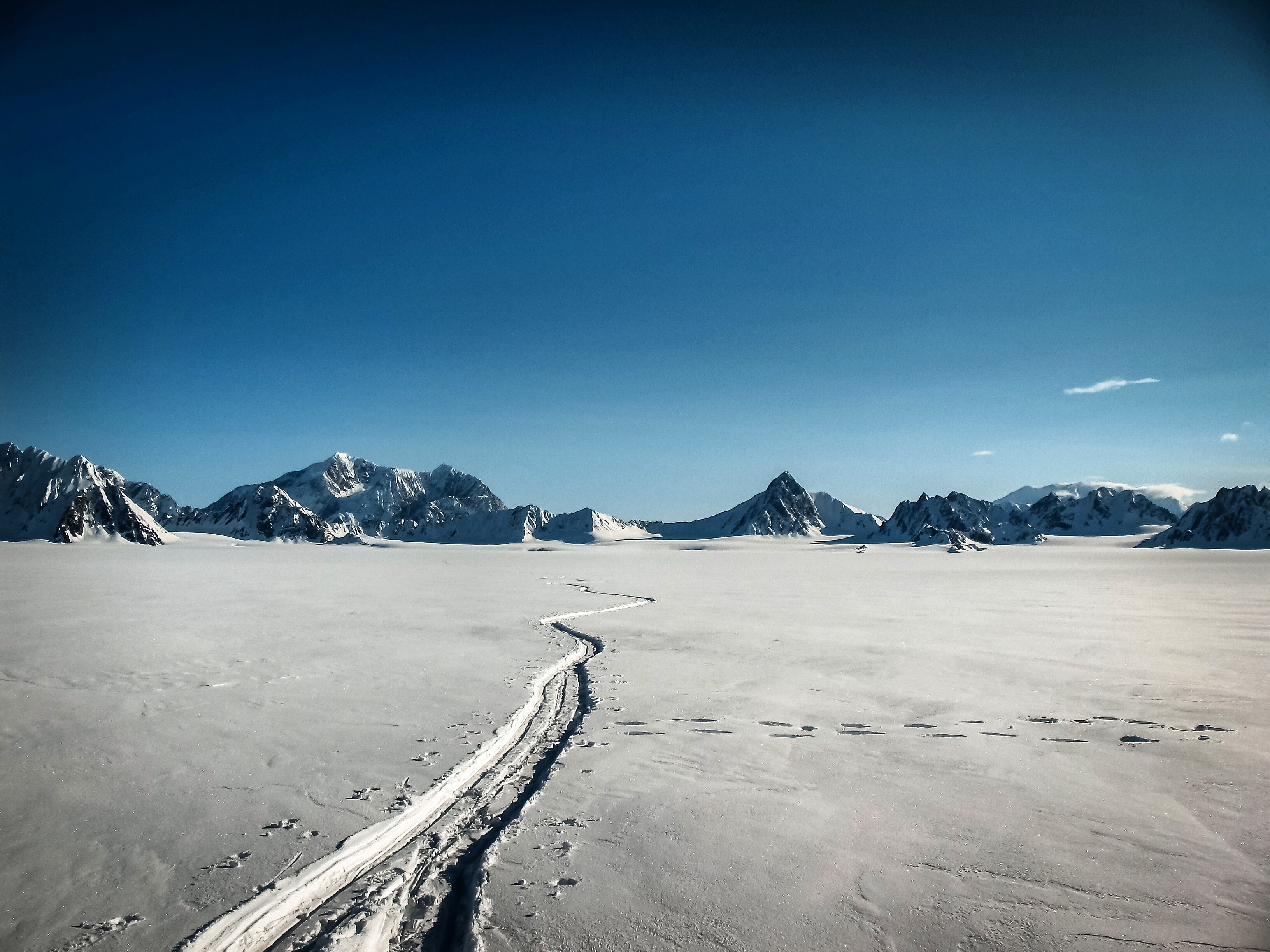
We flew in early June, when the snow is stable and the daylight stretches nearly around the clock. The approach alone is a commitment—over 20 kilometers of glacier travel from the drop-off point to base camp, hauling sleds loaded with fuel, food, and climbing gear.
The Terrain
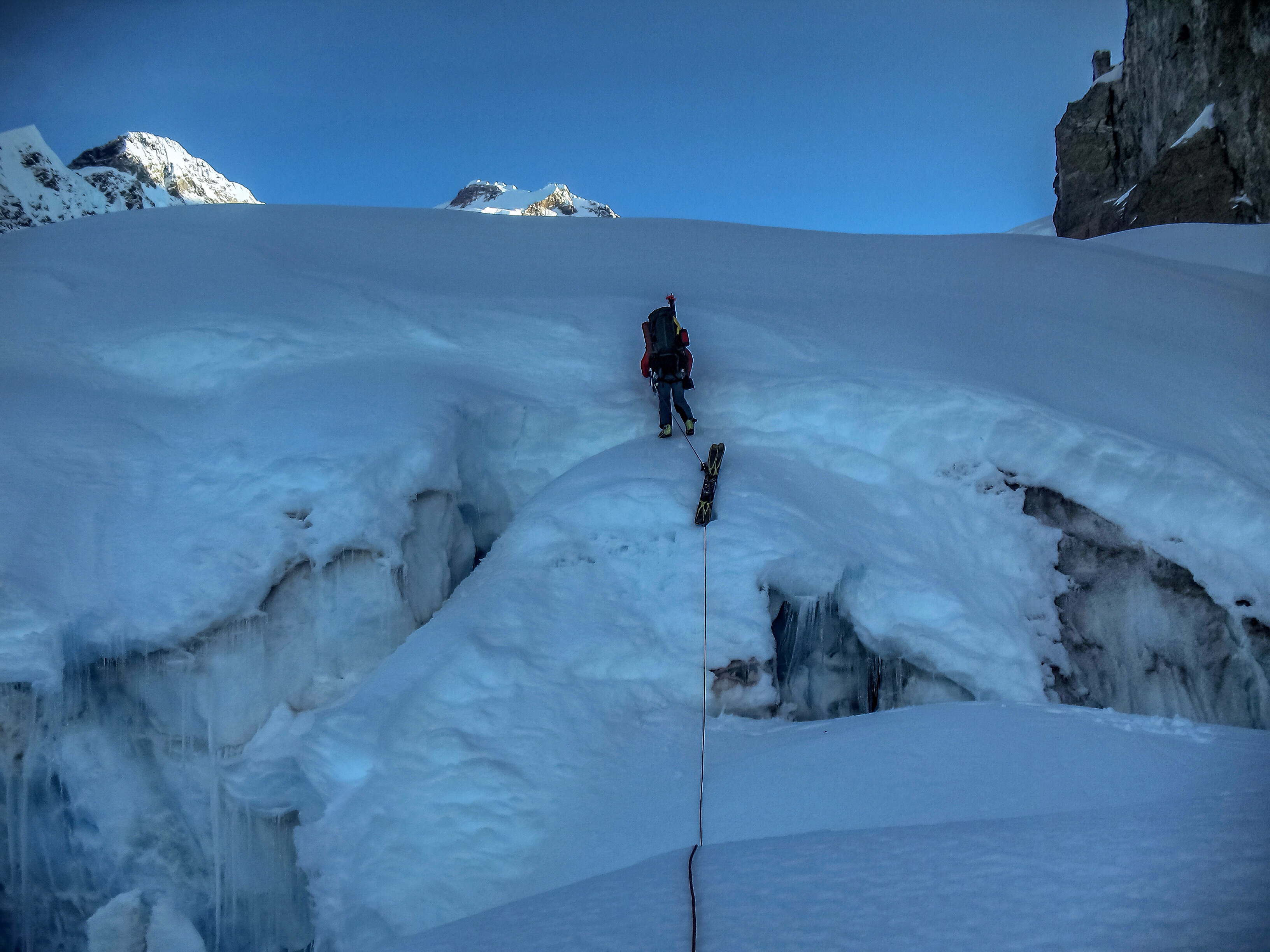
Logan is a massif, not a single peak. It sprawls across the landscape with multiple summits, ridges, and couloirs that could occupy a lifetime of exploration. The standard route follows the King Trench, a massive glacial valley that provides relatively safe passage to the upper mountain.
For skiers, the appeal is obvious: thousands of vertical meters of consistent fall-line skiing on a scale that's hard to comprehend until you're standing in it. The challenge is managing the altitude, the cold, and the sheer remoteness. There's no quick exit if weather turns or something goes wrong.
Conditions in June
June offers the best window. The snow has consolidated after winter storms, crevasses are still well-bridged, and temperatures are manageable—though "manageable" here still means well below freezing at altitude. The nearly 24-hour daylight allows for flexible timing, which is critical when waiting for weather windows.
We experienced clear skies for three days, which is rare. The upper slopes were firm, with a light wind crust that softened slightly in the afternoon sun. Visibility was unlimited, stretching across the Saint Elias Range to peaks in Alaska.
What You Need to Know
Mount Logan is not a backcountry ski tour. It's a full-scale expedition that requires mountaineering skills, glacier travel experience, and the ability to manage logistics in extreme environments. You'll need:
- Permit coordination through Parks Canada, including a detailed itinerary and safety plan
- Bush plane access from Kluane Lake or Haines Junction
- Self-sufficiency for 2-3 weeks, including fuel for melting snow
- Altitude acclimatization, ideally on smaller objectives beforehand
- Cold-weather systems rated for sustained sub-zero temperatures
Guided expeditions are available, but this is not terrain for first-time ski mountaineers. Most parties spend 10-14 days on the mountain, with several rest days built in for acclimatization and weather.
The Descent
Skiing from the summit plateau back to base camp covers over 2,000 vertical meters. The upper slopes are wide and forgiving, but crevasse management is constant. Roping up is non-negotiable, even on the descent.
The quality of the skiing depends entirely on conditions. Firm snow means fast, stable descents. A storm cycle means breaking trail through deep powder with a heavy pack. Either way, the scale of the terrain makes every turn memorable.
Logistics and Timing
Most expeditions fly in from Kluane Lake. The flight itself is part of the experience—ski planes weaving through valleys, landing on glaciers surrounded by walls of ice and rock. Costs are significant, typically several thousand dollars per person for logistics alone.
Late May through mid-June is the prime season. Earlier, and storms are more frequent. Later, and crevasses begin to open as snow bridges melt. Weather is always a gamble, and flexible timelines are essential.
Final Thoughts
Mount Logan is a commitment. It demands preparation, patience, and respect for the environment. But for skiers looking to push into genuine wilderness on a scale that feels almost impossible, it's unmatched.
The Yukon's Saint Elias Range offers skiing that few will ever see. Logan is the centerpiece, a mountain that doesn't care whether you summit or not, but rewards those who approach it with the right skills and mindset.