Is Ski and Sail in Norway Really Worth the Cost? An Honest Answer
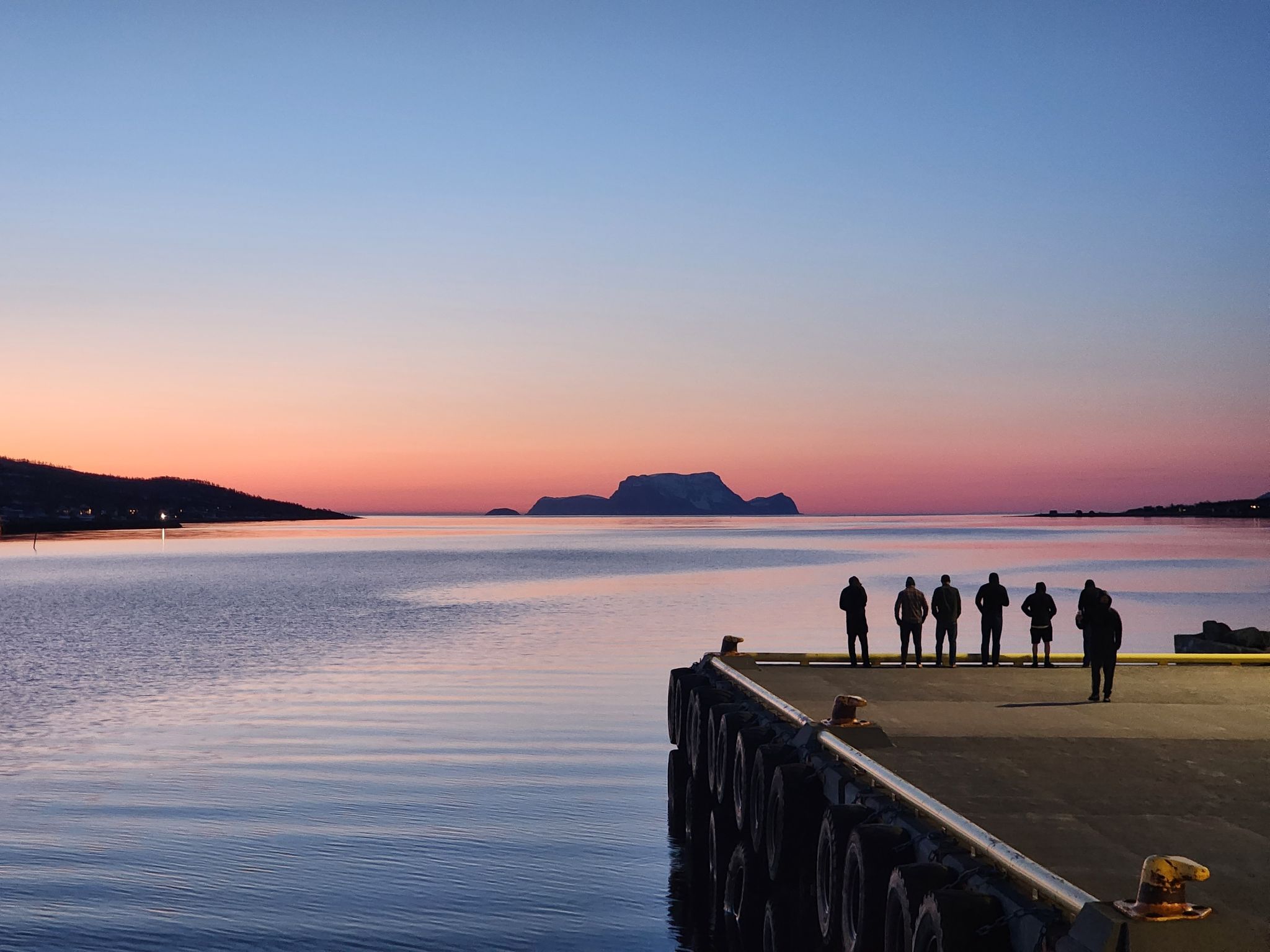
Is Ski and Sail in Norway Really Worth the Cost?
Let's be honest about the question people are actually asking. When someone emails to ask whether ski and sail is "worth it," they're usually staring at two quotes side by side, trying to figure out why one costs more than the other. They want a number that justifies the difference.
I understand the instinct. But it's the wrong comparison.
The expensive part of a ski-and-sail week in Norway isn't the boat. It's not the cabins or the galley or the diesel. What you're paying for is experience, judgment, timing, flexibility, and local knowledge — the hundreds of small decisions that happen before you ever click into your bindings. Those decisions are invisible when they go right. They're the whole trip when they go wrong.
So the real question isn't "is it expensive?" It's "do I trust the people making those decisions?"
Most people assume every ski-and-sail trip is the same. They aren't.
There's a common belief that a ski-and-sail trip is a commodity: a boat, a guide, some peaks, fjords for a backdrop. Pick the cheapest one and you're getting the same product for less money.
That's just not true, and the difference shows up exactly when it matters most.
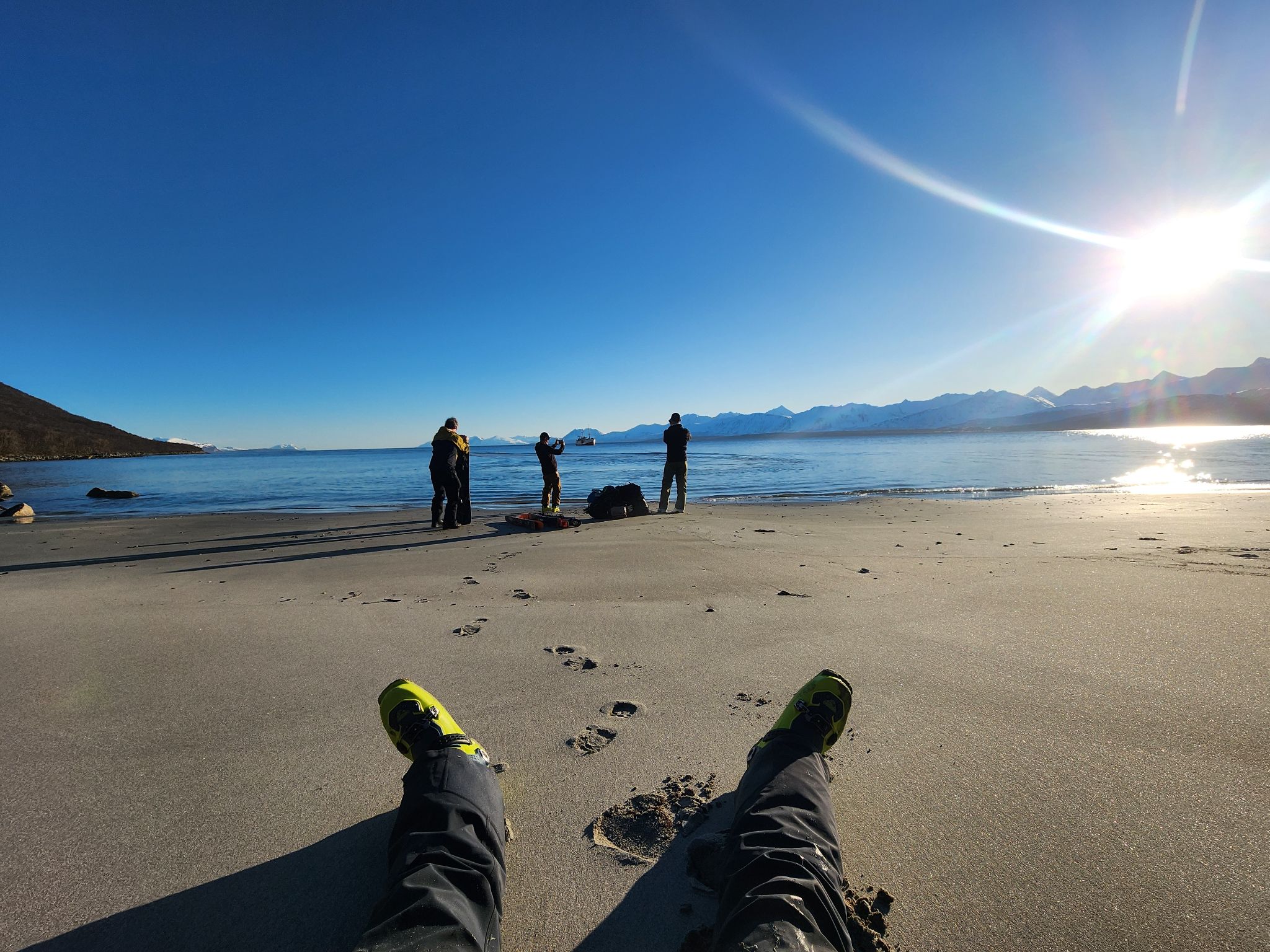 The fjords put you at the base of the mountains — but getting the most out of that takes more than a good anchorage.
Two trips can visit the same region in the same week and have completely different outcomes. One spends a storm day pinned in a cramped cabin with wet gear and a frustrated group. The other repositions ahead of the weather, ties up in a sheltered harbour, and turns the same day into one of the best of the trip. Same forecast. Same fjords. Wildly different week.
The variable isn't the geography. It's the people and the platform reading it.
Comfort isn't luxury. It's how you ski better.
There's a tendency to write off comfort as indulgence — a nicer boat is just a nicer boat, right? In the mountains, that framing falls apart fast.
Consider what actually happens over a week of touring:
- Dry boots and dry clothes mean you start each day warm instead of fighting cold, damp gear at 6 a.m. Wet boots don't just feel bad — they cost you on every climb.
- Good sleep is the difference between sharp decision-making on day five and sloppy mistakes. Fatigue is a safety issue, not a comfort issue.
- Good food keeps you fueled for long days. You can't ski hard on bad calories.
- Space matters when six or eight people share a boat for a week. Room to dry gear, to spread out, to not be on top of each other — that keeps a group functioning.
None of this is about pampering. It's about arriving at the bootpack capable of doing the thing you came to do. Comfort is what lets you ski well on the last day instead of just surviving it.
Norway's weather doesn't negotiate
If you've never skied in the fjords, understand this: the weather is genuinely unpredictable, and it changes fast. A clear morning can close in by noon. Wind that was forecast offshore can funnel straight into the fjord you planned to ski.
You will lose days to weather. Everyone does. The question is what those days feel like.
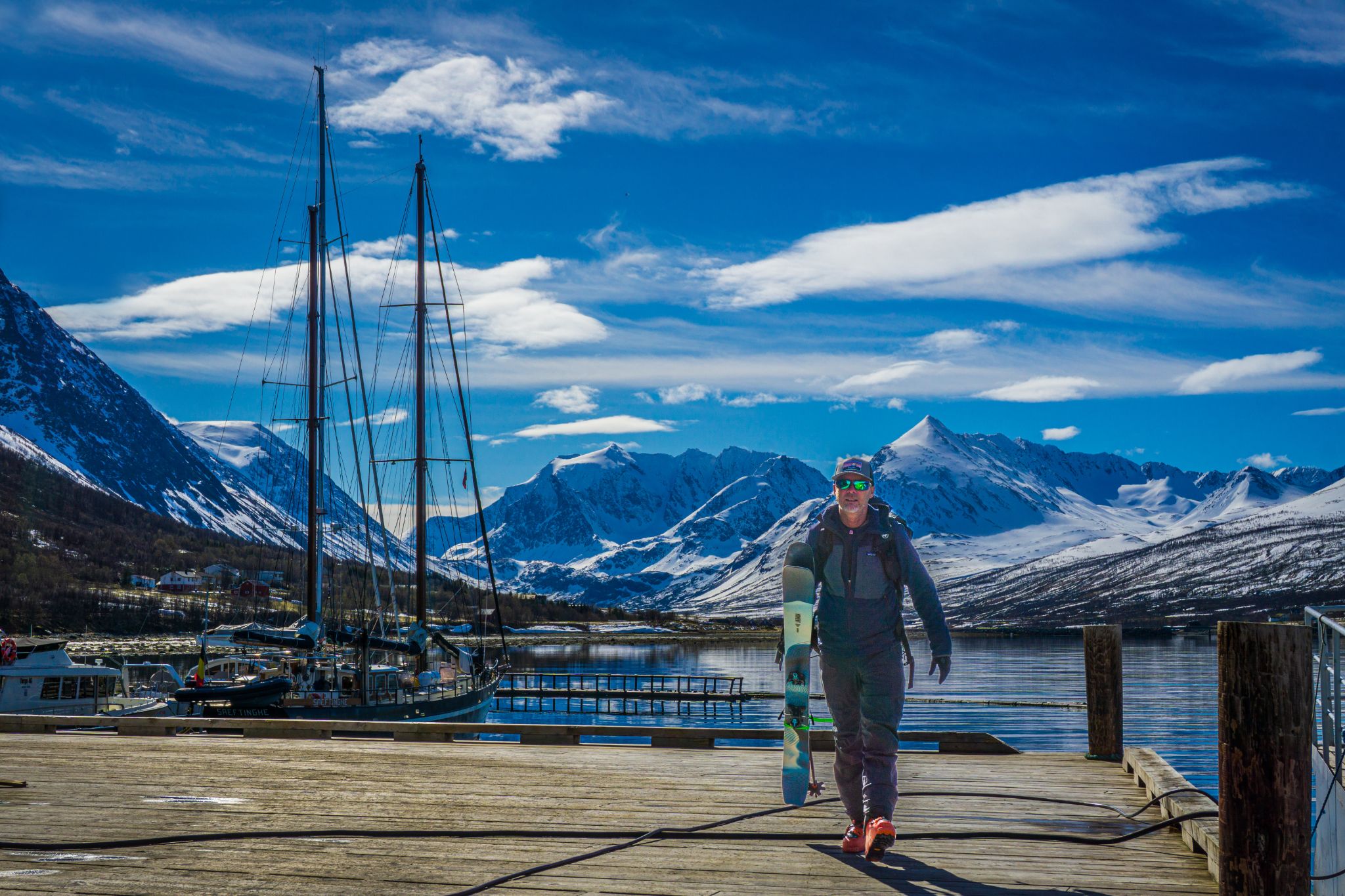 Storm days are part of the deal in Norway. The difference is whether you spend them miserable or content.
A better boat turns a storm day from an ordeal into a genuinely good day. I'll give you a real example of how this plays out.
48 hours in the harbour
Picture being weathered in for two full days. The forecast is bad, the safe call is to stay put, and there's no skiing happening. On a marginal setup, that's 48 hours of cabin fever, damp gear, restless guests, and a group quietly recalculating whether the trip was worth it.
Now picture the same two days with Wi-Fi to check in with home, a galley turning out genuinely good meals, a sauna, a hot tub on deck, and enough comfortable shared space that people actually want to be there. Card games. Good conversation. Drying gear. A long sauna while the rain hammers the windows.
That's the difference between a story people tell with frustration and a story they tell with a grin. Same storm. Same waiting. The platform decided which one it became.
The skiing gets remembered, sure. But so do those two days in the harbour — and they're only memorable for the right reasons because of decisions made long before the storm arrived.
The itinerary follows conditions, not the clock
Here's where experience earns its keep. A good ski-and-sail trip doesn't run on a fixed schedule. The itinerary bends to the conditions, every single day.
That flexibility depends on two things working together: a guide who knows the region intimately, and a captain and boat capable of repositioning to put you where the weather and snow line up. When those two things click, you stop chasing conditions and start meeting them.
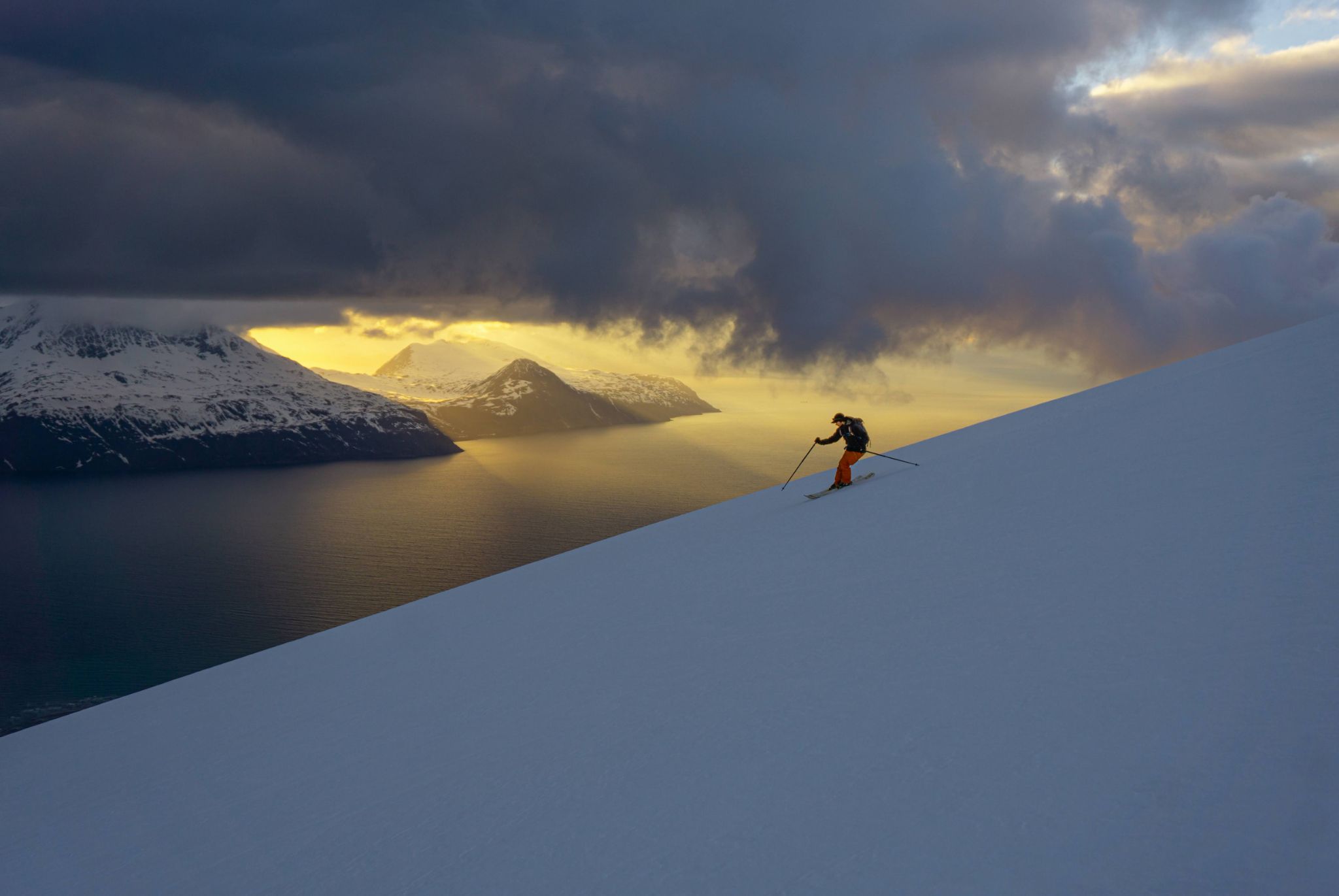 When the window opens, you go — even if "morning" means something different this far north.
And in Norway in April and May, "when" gets interesting. You're far enough north that the days stretch toward nearly 24 hours of light. Some of the best skiing of the season can happen late in the evening — even near midnight — when the snow firms up just right and the light goes gold over the water.
A rigid schedule misses that completely. A trip that follows conditions skis it. That's not a luxury; that's the entire point of being mobile and self-contained out there.
The hardest skill is knowing when to wait
Years in the mountains teach you something that's hard to sell on a brochure: patience.
Inexperienced operators feel pressure to deliver — to ski something, anything, so guests feel they got their money's worth. That pressure is how people get pushed into terrain or timing that isn't right.
The best guides know when to wait. They know that holding off a few hours for the snow to transition, or sitting out a morning for the wind to drop, or repositioning overnight to a different aspect, is what makes the difference between a mediocre run and the best one of the week. Knowing where to ski is table stakes. Knowing when — and when not to — is the real skill.
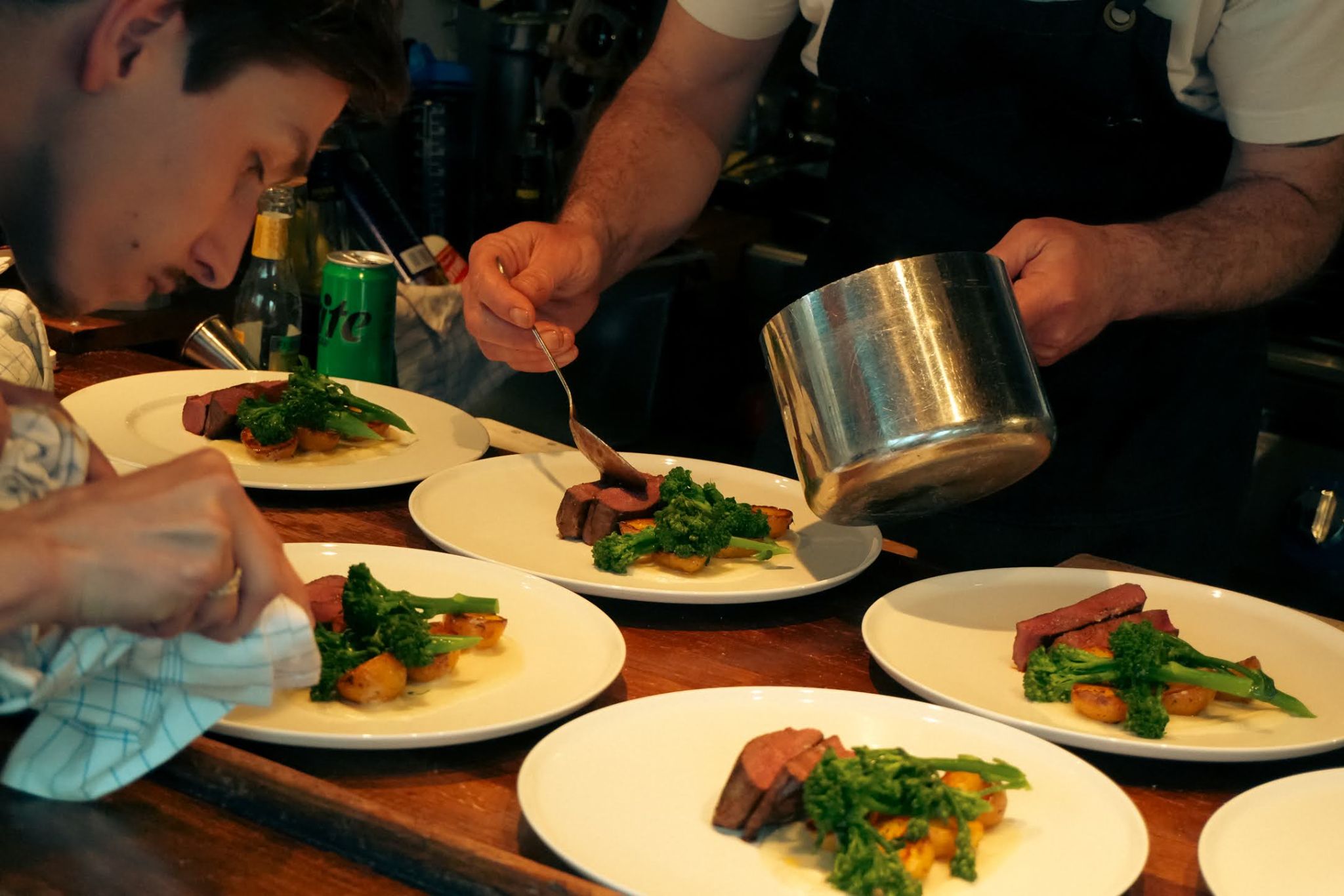 Knowing where to ski is the easy part. Knowing when to go and when to wait is what you're actually paying for.
That patience only works if everything else is in place. You can afford to wait when the boat is comfortable, the food is good, and nobody's miserable while you do it. Comfort and judgment aren't separate features — they enable each other.
What you're actually buying
So, back to the question. Is ski and sail in Norway worth the cost?
You're not buying skiing. You can find slopes cheaper elsewhere. You're not buying a boat — plenty of boats float fjords. What you're buying is someone who knows:
- Where to go, across an enormous and varied coastline
- When to go, including the late-night windows most people never see
- When to wait, and the discipline to actually do it
- How to find shelter when the weather turns, and how to make that shelter worth being in
- How to maximize every opportunity a fickle forecast hands you
That's the product. The cabins and the sauna and the galley aren't the indulgence you're paying extra for — they're what makes patience possible, what keeps the group sharp, and what turns lost days into good ones.
If you came here comparing prices, I'd gently suggest you were comparing the wrong thing. Compare judgment. Compare flexibility. Compare how many seasons the people on that boat have spent learning when to push and when to hold.
The cost question answers itself once you reframe it. The trips that go wrong aren't the ones that cost too much. They're the ones where nobody was equipped — in skill or in setup — to handle the week Norway actually gives you.
That's what you're paying for. In my honest opinion, it's worth every bit of it.