Developing Intuition in the Backcountry: Why Honest and Timely Feedback is Essential... amongst other things.
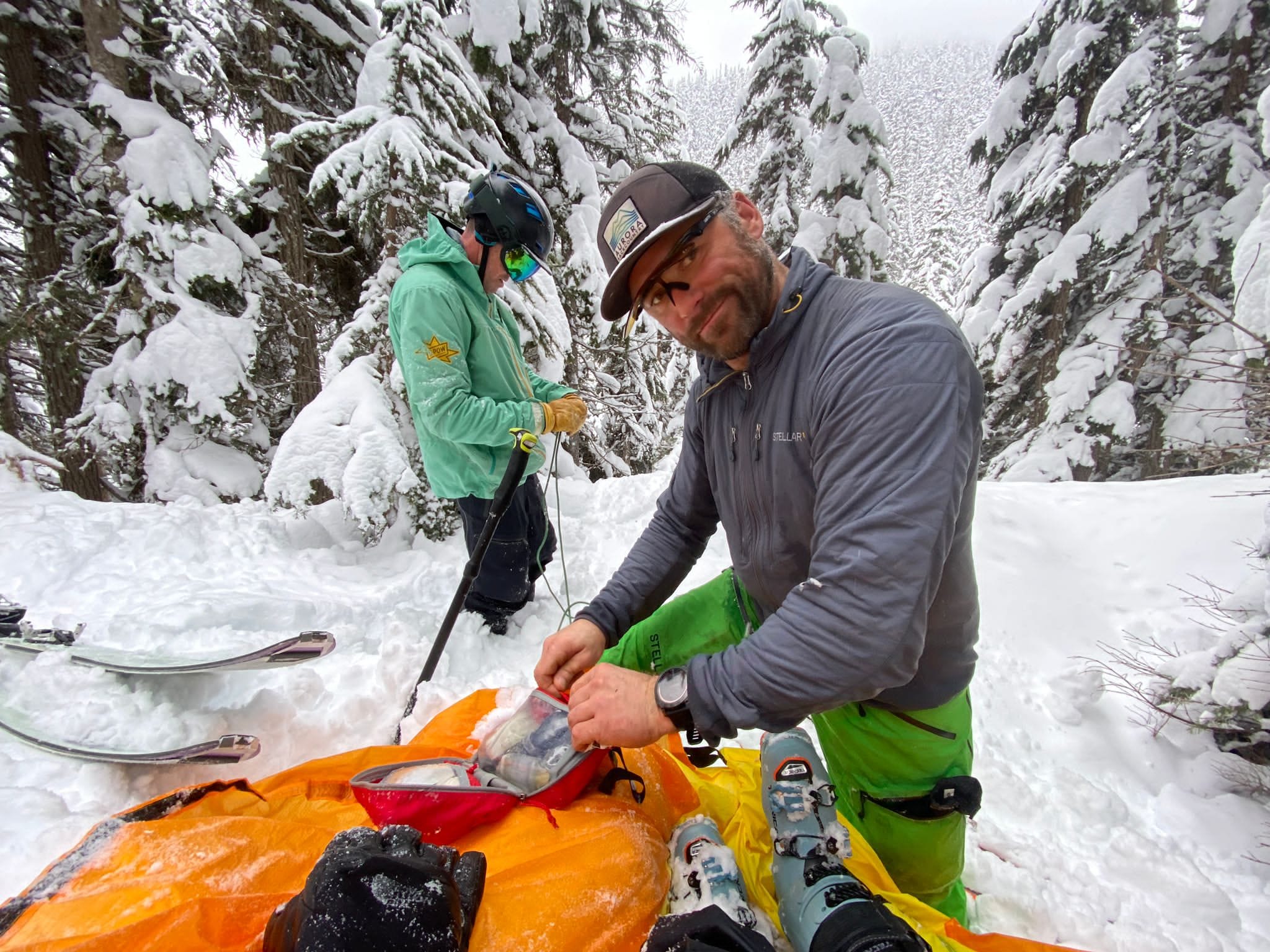

For experienced recreational backcountry skiers, the allure of untracked powder and remote terrain often goes hand in hand with the belief that time spent in the mountains naturally fosters expertise. But expertise and intuition are not a product of mere experience—they require structured learning, honest feedback, and deliberate practice. Understanding how experts develop intuition in fields like chess, medicine, and ski guiding reveals a clear path for improving not only individual skills but also the mentorship culture in the guiding profession.
The Science of Expertise and Intuition
It may seem like magic when a seasoned ski guide spots subtle signs of instability in the snowpack or navigates complex terrain with ease. However, research shows that intuition is not an inherent gift but a skill developed through repeated exposure to specific patterns and timely feedback.
If you didn't watch the video above... you should. In 1973, psychologists William Chase and Herbert Simon conducted a landmark experiment with chess players of varying skill levels. They discovered that chess masters could recall board positions from real games with remarkable accuracy, thanks to a process called "chunking." Over thousands of games, masters internalized patterns of piece configurations, allowing them to recognize complex situations as familiar, single entities. This ability to “chunk” information is the foundation of expertise.
Similarly, ski guides develop their intuition by encountering a wide variety of terrain, snowpacks, and decision-making scenarios. Just as chess masters recognize patterns on a board, skilled guides recognize patterns in snow stability, terrain, weather trends, and group dynamics. However, this expertise can only form in a valid environment—one with consistent patterns and timely feedback.
Insights from Ski Guiding Research
In his thesis The Role of Intuition in the Decision Process of Expert Ski Guides (2014), Iain Stewart-Patterson highlights the critical role of feedback loops in developing guiding expertise. Misleading feedback—such as when poor decisions do not lead to avalanches—can create dangerous overconfidence. Stewart-Patterson’s research underscores that accurate feedback, combined with reflection, is essential for cultivating effective decision-making skills.
Stewart-Patterson also discusses dual-process theory, which describes the interplay between analytical and intuitive decision-making in expert guides. Intuition, rooted in pattern recognition from extensive experience, becomes a powerful tool when balanced with analytical methods. This balance is particularly crucial in high-stakes environments like the backcountry, where decisions must often be made quickly under uncertainty.
The Four Pillars of Developing Backcountry Intuition
Expertise requires more than time in the field. Psychologists have identified four essential criteria for developing mastery:
-
A Valid Environment: The environment must have regularities that allow for patterns to be learned. In guiding, this means working in diverse terrain and snow conditions rather than a single area with predictable challenges.
-
Many Repetitions: Expertise forms through repeated exposure to relevant situations. Guides who work in varied environments, lead multiple types of trips, and challenge themselves with complex objectives accumulate a broader knowledge base.
-
Timely Feedback: Immediate and honest feedback accelerates learning. A guide’s ability to assess their decisions in real time—or receive constructive input from mentors—is critical for developing intuition.
-
Deliberate Practice: Practice must occur at the edge of one’s abilities. Guides who stay in their comfort zones or avoid challenging terrain miss opportunities to refine their skills.

Critiquing Current Mentorship Practices
Unfortunately, many ski guides today are not provided with the mentorship and opportunities needed to meet these criteria. The culture in North America has shifted toward “learning how to do it” instead of hiring true experts. In some cases, guides become stuck in narrow roles, such as:
-
Only Teaching Courses: Repeating the same curriculum limits exposure to diverse terrain and situations.
-
Working in a Single Area: Familiarity with one snowpack or region can hinder the ability to recognize patterns elsewhere.
-
Lacking Variety in Employers: Guides who work for only one company may miss valuable perspectives and feedback.
-
Avoiding Challenges: Comfort often leads to stagnation, preventing guides from pushing their limits and learning from difficult experiences.
These scenarios create a situation where some guides become overly conservative or complacent, a phenomenon sometimes referred to as “driving the bus.” While safety is paramount, avoiding all risk can prevent guides from gaining critical experience with hazards they must learn to manage.
Applying Scientific Insights to Ski Guiding
The principles of expertise development can be directly applied to the guiding profession. To foster intuition and improve safety, both individual guides and the companies they work for must prioritize the following:
-
Encourage Diverse Experiences
Guides should seek out opportunities to work in varied terrain and snowpacks, with different types of groups and objectives. Companies can support this by rotating guides between regions or offering cross-training programs.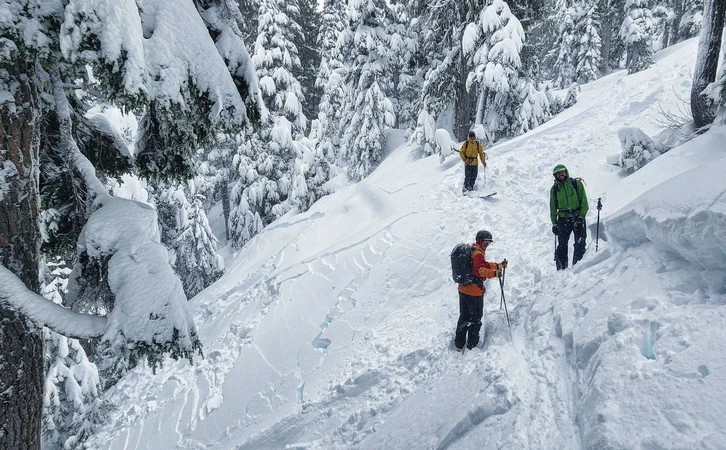
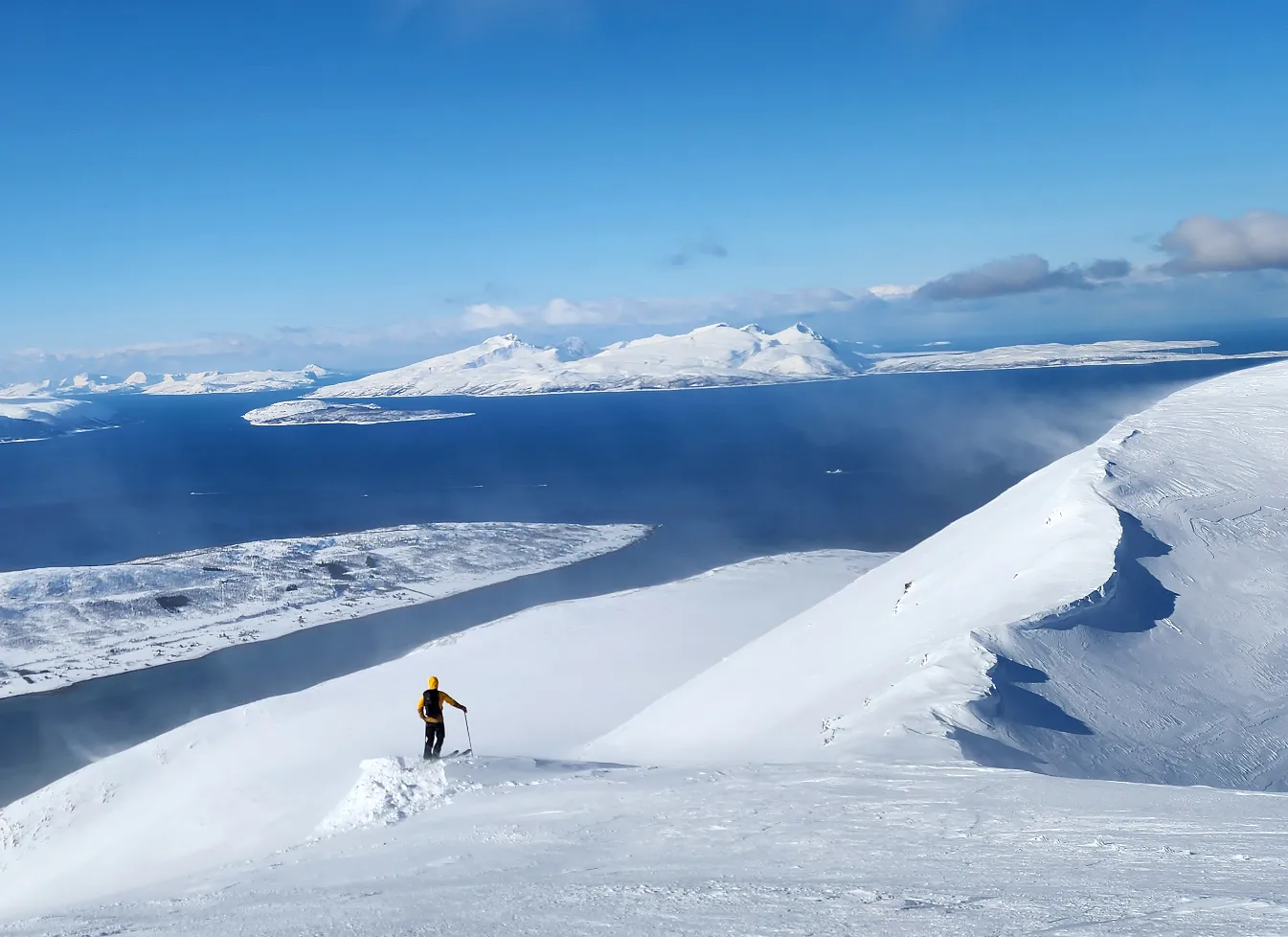

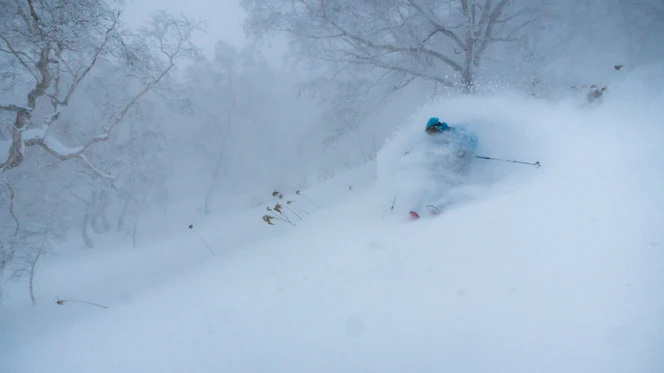
Photos: Canada, NZ, Norway, Japan -
Provide Honest and Timely Feedback
Just as anesthesiologists learn quickly through immediate feedback, guides benefit from debriefs after every trip. These should include:
- Honest assessments of decision-making and route choices.
- Constructive feedback on risk management strategies.
- Open discussions about what went well and what could improve
Honest feedback, however, is not always easy to give—or to receive. Negative feedback, while uncomfortable, is essential for growth. The consequences of withholding feedback are far worse, as they enable complacency and hinder the development of intuition and expertise
Anecdotal Case Study: Feedback in Action.... or not.
As a guide, I’ve witnessed thousands of people ski. All guides must be ski instructors as a prerequisite to the guide training program, and we often rely on the "detect and correct" process to help intermediate skiers safely navigate their day. This is particularly important when conditions change
On one occasion, I noticed a skier who habitually skied in the back seat. The snow below the treeline was heavy and grabby, increasing the risk of injury—specifically to their knees. Recognizing this, I stopped the group as the snow conditions changed and delivered a hazard briefing. I explained how the snow would affect skiing style and emphasized the need for more conservative technique.
I paid special attention to this skier, informing them that continuing to ski in the back seat would expose them to a higher risk of knee injuries. They didn’t receive the advice well, as they seemed to identify as a strong skier and may have felt singled out.
The result? Everyone made it through the day safely. No injuries, no blown knees—mission accomplished. But two months later, I learned that this same person blew their knee while skiing recreationally in the backcountry with friends. Unfortunately, this is the kind of timely feedback no one wants. I wonder if they thought of me when it happened.
This example highlights the importance of honest feedback, even when it’s hard to give or accept. It can prevent complacency, reduce risk, and promote meaningful change.
PERFECT Practise Makes Perfect. -
Create Opportunities for Deliberate Practice
Guides must regularly operate at the edge of their abilities. This could involve:
- Taking on complex objectives with appropriate oversight.
- Participating in mock rescue scenarios under realistic conditions.
- Leading trips in unfamiliar or challenging environments.
-
Mentor Effectively
Experienced guides play a crucial role in shaping the next generation. Mentorship should go beyond technical skills, fostering critical thinking and encouraging guides to reflect on their decisions. Mentors must also challenge mentees, ensuring they’re exposed to the full spectrum of guiding scenarios. -
Combat Complacency
Complacency is the enemy of expertise. Guides who avoid avalanche terrain entirely or settle into routines risk losing their edge. Encouraging a growth mindset—one where guides continually seek improvement—is essential.
Why Recreational Experience is Not Enough
Experienced recreationalists often overestimate their abilities in the backcountry, mistaking comfort for expertise. Unlike professional guides, recreationalists lack the repeated exposure, structured feedback, and deliberate practice needed to develop true intuition.

Conclusion
Expertise in the backcountry—whether as a guide or a recreational skier—is not a product of time alone. It requires deliberate practice, honest feedback, and a commitment to operating outside of one’s comfort zone. For guides, this means seeking diverse experiences, embracing mentorship, and continually challenging themselves to grow.
-
Stewart-Patterson, I. (2014). The Role of Intuition in the Decision Process of Expert Ski Guides. Thompson Rivers University. https://era.ed.ac.uk/handle/1842/9580
-
Video courtesy of Veritasium: https://www.youtube.com/@veritasium